Tools, advice and practical resources to support parents

Published on 10 October 2023

  • Protecting the public
  • Platform
  • Television

    Translations are provided as a service to Arcom users and are supplied “as is”, throught the DeepL tool. Consequently, only the text of the original version is authentic. Please note that not all the files have been translated.

    Find out more about translation

    Find all Arcom's resources for information and support on digital parenting and the appropriate use of screens.

    Arcom supervises the diffusion of content and ensures the protection of youngsters from infancy onwards. The Authority regularly takes direct action with the players involved, and supports parents in their children's use of screens.


    Tools and resources for parents

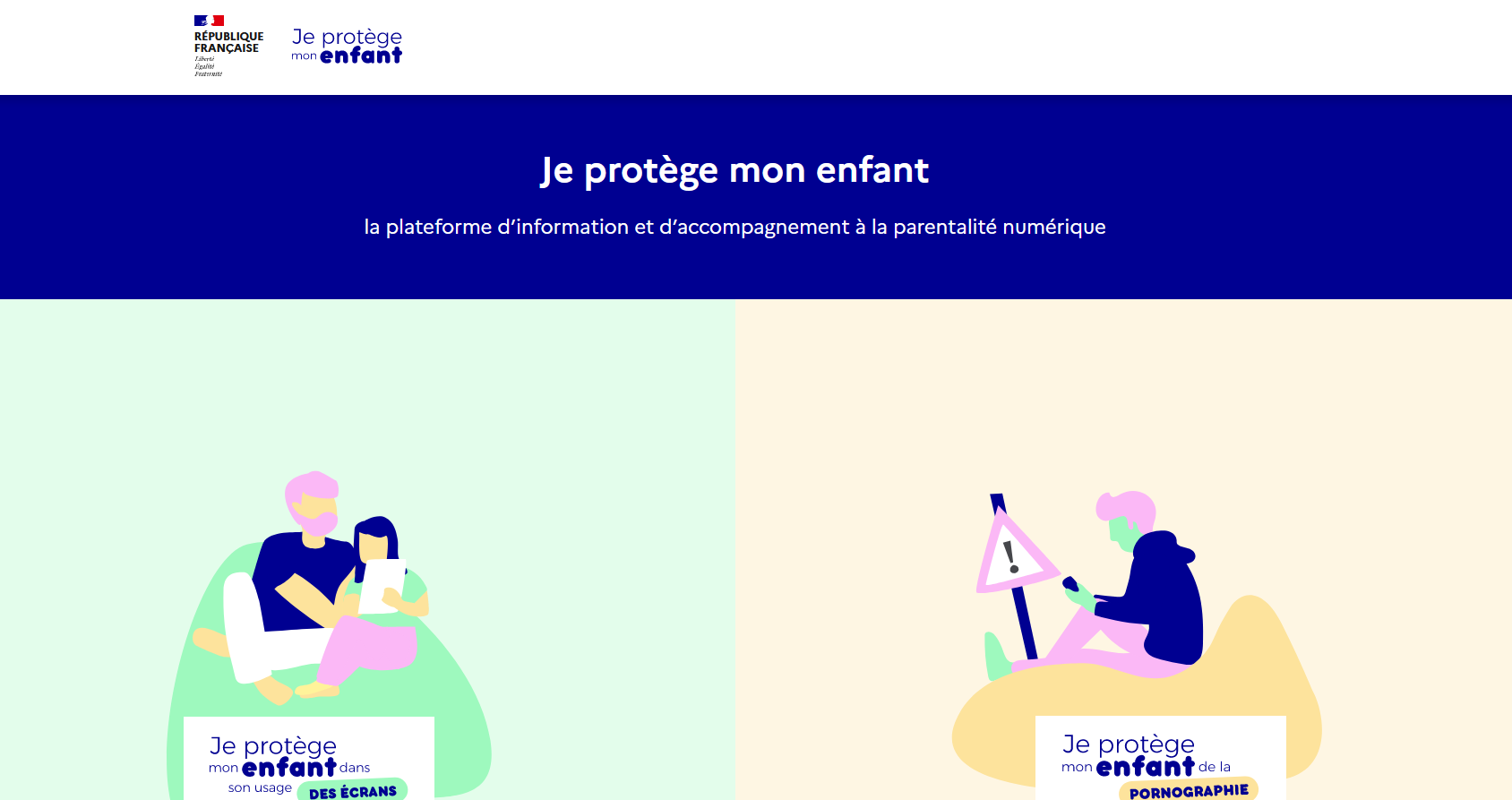
    To better inform and support parents in protecting their children, the jeprotegemonenfant.gouv.fr platform offers practical tools, advice and resources.

    Image

    Protecting my child's use of screens

    The information and support platform for digital parenting to help children use screens wisely.

    I protect my child from pornography

    The information platform for parents to fight agains the exposure of persons under 18 to online pornographic content.

    Media literacy, information literacy and digital citizenship

    The multiplication of available sources, the participation of non-journalists in the creation of information content, and changes in the time of day when information is produced, have led the audiovisual media, online platforms and Arcom to recognize the need to provide audiences with keys to understanding information logic.

    Image

    Arcom's actions in the field of media literacy, information literacy and digital citizenship focus on three main areas:

    • education through the media: encouraging TV channels, radio stations and online platforms to contribute to the education effort, and showcasing their actions (e.g. publication of teaching resources, classroom interventions, etc.) in an annual report.
    • Education through media use: encourage education through media use, since it's often much easier for students to put themselves in the shoes of a journalist or content creator, to understand their responsibilities and identify their rights. Hosting a web radio or web TV station, or even creating a web documentary, are all experiences that awaken students to their rights and obligations.
    • Media literacy, information literacy and digital citizenship: take your own initiatives and propose teaching resources that present the audiovisual and digital world, the role of the regulator, and address the challenges of media representations, ethics, exposure to screens and creation.

    Families and children and screens

    Arcom has established a system for classifying programs: the youth rating system, one of the key tools in the scheme created by the regulator to protect persons under 18.

    Image

    Video tutorials