Image


Sporting events are essential media events for the audiovisuel industry. They have shaped, and continue to shape, the history of TV and radio audiences. Sport has established itself as a driver of appeal for viewers on radio, television and now the Internet.
Arcom's aim is to ensure that as many people as possible have access to major sporting events and a diversity of disciplines, while respecting the investment made by channels in acquiring diffusion rights and the interests of competition organizers.
At the same time, TV channels and radio stations have a role to play and a responsibility to support sports policies, particularly in terms of public health and social cohesion.
Under the right to information, any channel may rebroadcast free of charge extracts - summoned "brief extracts" - from a sports competition broadcast on its airwaves, even if it does not own the rights.
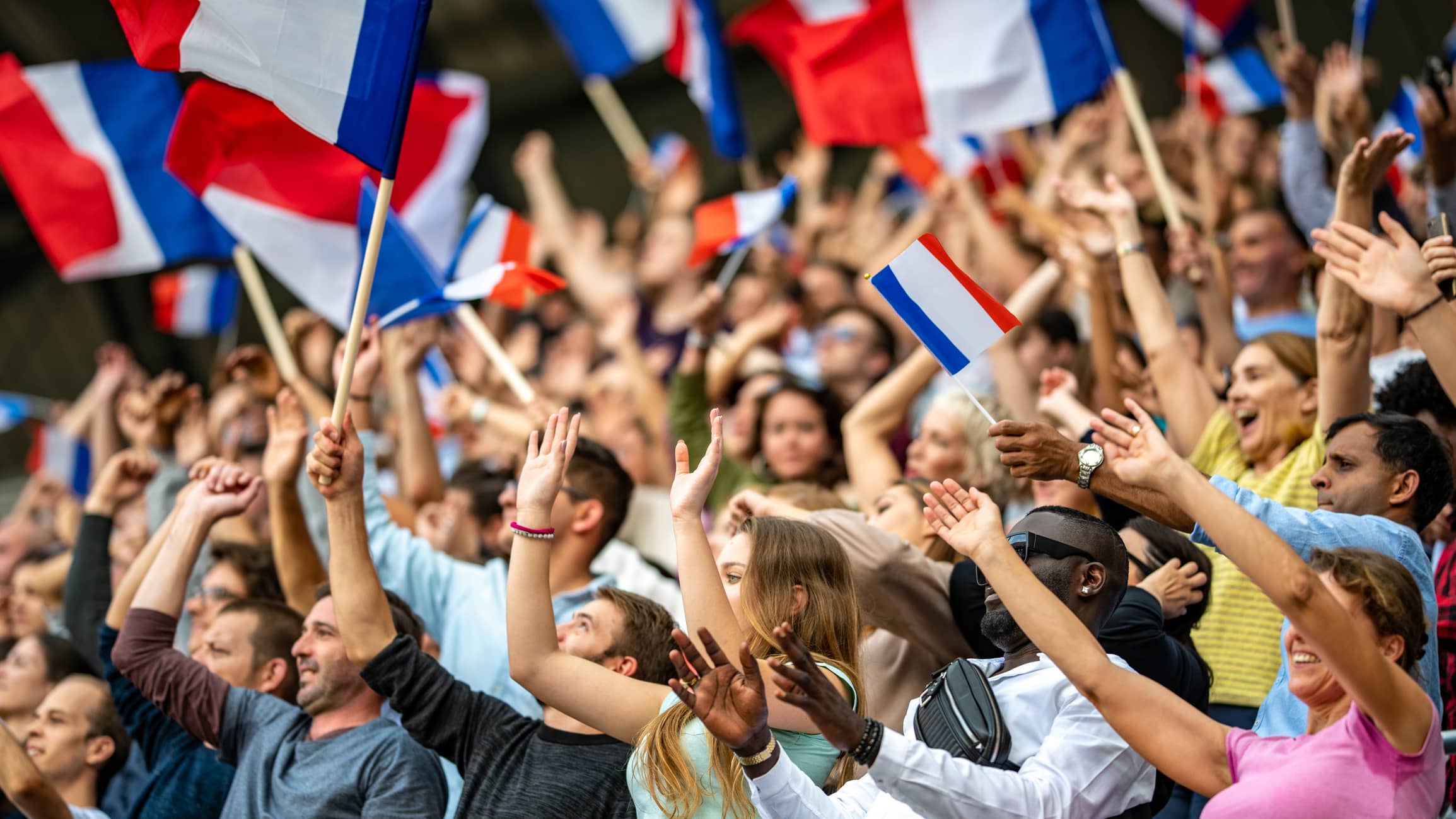
A number of sporting events, defined as being of "major importance", must be accessible to all viewers so as not to deprive a significant portion of the public of the opportunity to follow them.
Les compétitions sportives qui ne figurent pas dans cette liste ne sont pas soumises à cette disposition.
Arcom regularly publishes analyses of the sports and audiovisual ecosystem, the place of sports-related contdnt in the audiovisual media, and cross-fertilization between the media and the sporting world.
Arcom monitors the sports supply on television and radio. It studies the number of media involved, the hourly volume, the type of programs concerned, the disciplines exposed...
Report on audiovisual and digital diffusion for the Paris 2024 Olympic and Paralympic Games
Barometer of sports program consumption
More and more sports are being shown on television, and are still consumed live. The value of the sports rights acquisition market has been growing for several years, as has the number of players on the market.
At the same time, the importance of non-linear consumption of audio and video content, on media other than the TV set, and the growing importance of digital platforms, point to new ways of consuming sports-related contdnt, and potential competition for TV publishers.
Arcom monitors the sports rights market:
It also analyzes :
Media coverage of parasport helps to increase the visibility of people with disabilities on television, but also to change perceptions of disability.
Improving the representation of disability and accessibility in audiovisual programmes and digital content is one of Arcom's core missions.
Arcom's work focuses on three main areas:
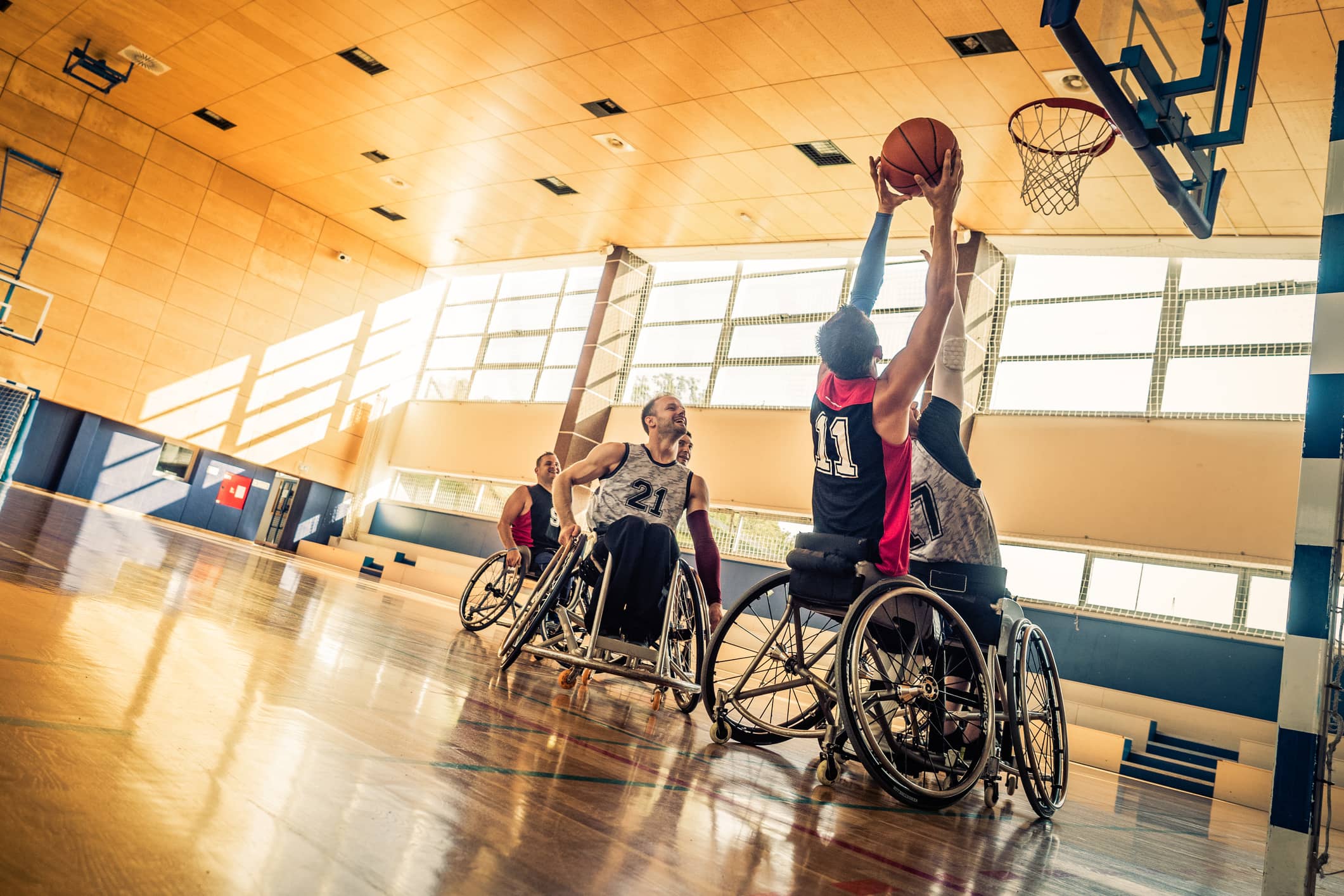
Three quarters of viewers acknowledge that the 2024 Paralympic Games have changed their view of disability, a figure that rises to 79% among those under 35.
The event greatly improved the visibility of parasports, both in terms of understanding the rules (86%) and knowledge of the athletes (91%).
As a result, 52% of French people say they would watch more parasports if there were more available on television, a figure that is up 4 points from December 2023.
Arcom's "Jouons Ensemble" (Let's Play Together) initiative encourages broadcast media, radio and television stations to give more airtime and coverage to parasports.
On Thursday, October 2, 2025, Arcom organised a progress report on the subject, attended by Martin Ajdari, President of Arcom, Laurence Pécaut-Rivolier, member of the college, the Ministers for Sport and for Autonomy and Disability, as well as representatives of the audiovisual media and associations.

The HandiGuide des sports is an interactive directory of sports facilities that declare themselves to be accessible or capable of accommodating disabled athletes. It informs disabled people about the sports activities available to them based on the accessibility of sports facilities near their place of residence.
To find facilities and physical and sporting activities near you that are adapted to your disability, use the Handiguide des sports (Sports Guide for People with Disabilities).
French women love sport, and the audiovisual media are increasingly catering to them. Every year, Arcom promotes the French audiovisual landscape through a media campaign.

"Sport féminin toujours" (Women's Sport Forever) celebrates women's participation in sport and anchors women's sport in everyday life. National and local television and radio stations are adapting their programmes and covering women's sport in various formats (broadcasts, magazines, documentaries, interviews, reports) around 4 main themes:
Arcom is committed to combating sports piracy, particularly the illegal live streaming of sporting events on the internet.
The new measure, introduced into the French Sports Code, takes into account the urgency inherent in live audiovisual broadcasts of sporting events ("live streaming"), as the damage caused in such situations is instantaneous and irreversible.

Since 2012, television publishers who show sports programs have been required to contribute to the fight against doping and the protection of people practicing physical and sports activities (deliberation of June 26, 2012).
Every year since 2012, Arcom has produced a report on the application of this action. These reports have established that not all publishers were complying with it, even though their number was increasing. Faced with this finding, in 2016 Arcom carried out a wide-ranging consultation with all stakeholders (representatives of the authorities, television service editors, players from the sporting world).
This consultation led to the publication ofa new deliberation on the subject in May 2017. The new scheme must achieve the best possible balance between the public health objectives pursued and the contribution capacities of audiovisual publishers. Compared with the previous deliberation, several developments should be noted:
Arcom has published its report on the application of the deliberation of May 17, 2017 on the fight against doping and the protection of people practicing physical activities and sports, for the fiscal years 2022 and 2023.
