Image


Representation, accessibility, public health... How are the audiovisual media tackling the challenges of social cohesion at the Paris Gaming Games?
Reminder
On September 13, 2017, the International Olympic Committee designated Paris as the organizing host city for the 2024 Olympic and Paralympic Games.
Article 3-1 of the law of September 30, 1986: Arcom"ensures that the diversity of French society is represented in the programs of audiovisual communication services, and that this representation is free from prejudice".
Fair representation of the diversity of French society in the audiovisual media is an imperative that concerns all programme types, including sports broadcasts.
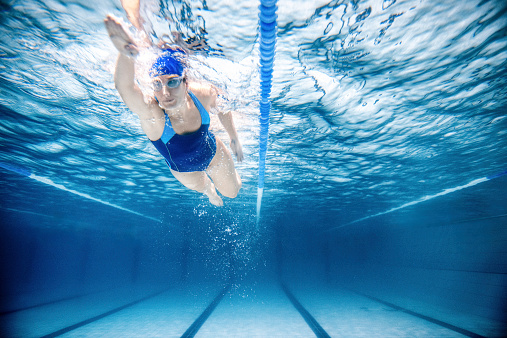
The representation of diversity in sports programs starts with a fair representation of women's sport and parasport on the airwaves.
Arcom has a long-standing commitment to promoting women's sport in the audiovisual media, whether by encouraging editors' commitments in the agreements it signs with them, or by organizing events such as Sport féminin toujours.
Arcom also conducts studies on the subject, in order to measure developments in the supply of women's sport in the audiovisual media. For example, a study published by Arcom in January 2023 showed that, over the 2018-2021 period, airtime devoted to broadcasts of women's competitions had been 16 times less than for men's sport.
The Olympic and Paralympic Games, which are mixed by nature, are a fantastic opportunity to showcase female athletes, especially as the International Olympic Committee has announced that the Paris Games will be the first strictly parity Games in history.
To this end, audiovisual media editors have announced the following commitments:
France Télévisions, the broadcaster for the Games in France, has announced that it will offer "nearly 70 women's Olympic disciplines [...] on linear channels [...] during the Games - Athletics, Basketball, Boxing, Climbing, Road and Track Cycling, Judo, Swimming, Rugby, Women's Olympic Football Tournament, ...".
France Médias Monde, provider of radio RFI which is the official broadcaster of the Olympic Games in sub-Saharan Africa, Europe and France, has indicated that its antennas "will endeavor to cover the gaming in a parity way, as well with regard to the events as to the athletes brought to express themselves on their antennas".
The TF1 group has indicated that women's sport, already "extensively covered in the news editions of TF1 and LCI", will benefit from "strengthening its coverageduring the Olympic and Paralympic Games, with many stories devoted to the results of sportswomen".
In the run-up to the Paris Games,the Canal Plus Group has announced that it will be showing documentaries featuring top sportswomen, including episodes of the program "Intérieur Sport" devoted to representatives of the French delegation, such as Iliana Rupert, a member of the French basketball team, and judoka Romane Dicko.
The M6 group has indicated that the M6 channel is "supporting the preparations for the event by multiplying, in the 12.45 and 19.45 news broadcasts, meetings with [...] champions in the run-up to these Olympic and Paralympic Games". RTL's editorial team is also mobilizing with "RTL, au coeur des gaming", featuring numerous portraits and testimonials from female champions.
Arcom is also committed to ensuring greater media coverage of parasport. To this end, it encourages audiovisual media service editors to make commitments, either in the agreements it concludes with them or by means of flexible law tools such as the December 3, 2019 charter on the representation of disabled people and disability in the audiovisual media.
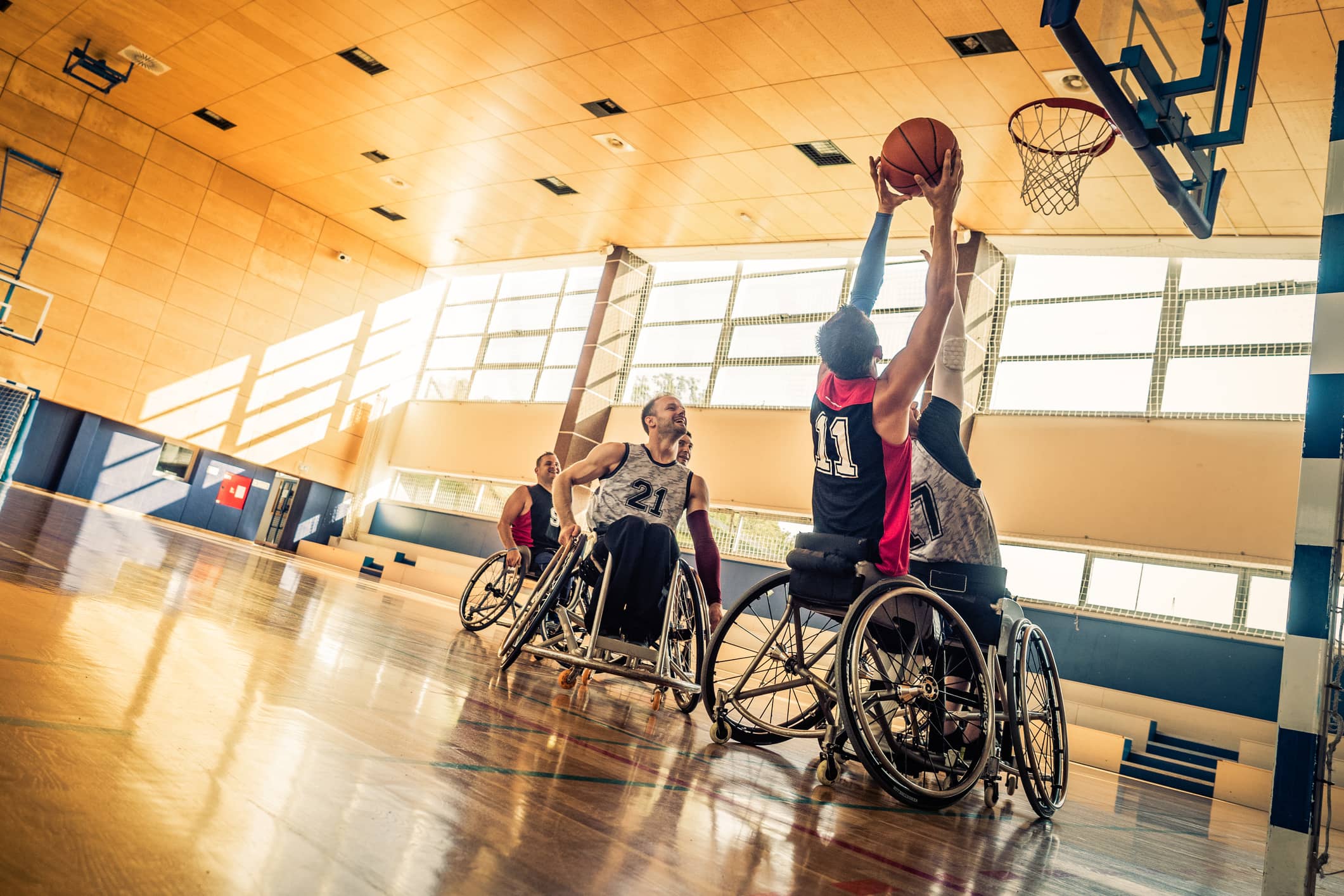
In addition, since 2021, Arcom has organized the Jouons ensemble (Let's play together) operation, which aims to encourage publishers to highlight parasport in their programs outside the Paralympic periods.
While it regularly notes the growing visibility of parasport in the audiovisual media - as in a study published in September 2023 - it points out that this trend currently mainly concerns the Paralympic Games. Thus, in addition to the popular success of the Games themselves, Arcom stresses the importance, on the one hand, of raising the profile of these athletes and their disciplines upstream, and on the other, of considering the Games as a lever for increasing parasport media coverage in the long term.
To this end, the audiovisual media editors have announced the following commitments in the run-up to the Games:
France Télévisions has announced that its programs helping to increase the exposure of athletes at the Games - including Aux Jeux citoyens!, Stade 2 and Tout le Sport - will highlight those competing in both the Olympic and Paralympic Games.
France Médias Monde has indicated that it intends to "make parasport visible to the global audiences of RFI, France 24 and MCD, both in the run-up to the Games and during the event".
The TF1 group stated that "parasporters and their disciplines are widely featured in TF1 and LCI news programmes.As the gaming season approaches, this coverage is being strengthened".
In the run-up to the Paris Gaming Days,Canal Plus Group has announced that it will be showing documentaries featuring disabled athletes, including "De chair et d'acier" (Flesh and steel) on wheelchair rugby, and a documentary on wheelchair tennis player Pauline Déroulède.
The M6 group has specified that the portraits and testimonials offered on its channels feature Paralympic champions in particular. In addition, the Bandes de sportifs program, shown on the Gulli channel, introduces youngsters to several para-disciplines (wheelchair tennis, wheelchair basketball, cecifoot, etc.).
In addition, for the duration of the Gaming :
France Télévisions announced "live, uninterrupted coverage from start to finish, on France 2 with a shift to France 3 [...] and, for the first time in the history of the Paralympic Games, live diffusion of all Paralympic events on france.tv".
France Médias Monde indicated that "RFI is currently negotiating for the rights to the Paralympic Games, with the aim of having the same diffusion rights as for the Olympic Games".
The TF1 group has declared that "during the Paralympic Games, para-sporters and their disciplines will be featured prominently on the group's channels".
The M6 group has announced "an unprecedented on-air scheme for the Paralympic Games".
Moreover, parity and the representation of diversity in programs dealing with the Gaming means that female presenters, journalists and consultants must also embody this ambition.
As far as women are concerned, in its latest report on the representation of women and men on television and radio, Arcom noted that sports programs were among those in which women were least represented, and that sports topics were among those for which women were least sought after as experts.
As far as people with disabilities are concerned, the latest results from Arcom's diversity barometer show that they account for 1% of people appearing in programmes. For sports programs alone, the proportion is similar.
When contacted, the following publishers stated that they would pay particular attention to parity and representation of diversity among on-air talent:
France Télévisions indicated that "the daily program 'Aux Jeux, citoyens!' dedicated to the preparation of the Gaming is presented by Carole Gaessler, surrounded by 7 Olympic or Paralympic athletes, including 4 women" and that, during the Gaming, "parity will be respected for the recruitment of consultants and for the animation of live broadcasts". With regard to the representation of the disabled, the editor has announced that "consultants will berecruited to help raise the profile and embody parasport (in conjunction with the Paralympic Committee and the Disabled Sports Federation), and that parasporters will appear on set during the Olympic Games and, conversely, [...] able-bodied athletes during the Paralympic Games".
France Médias Monde has announced that "in 2024, RFI, France 24 and MCD will strive to cover the Games with equal numbers of [...] on-set contributors".
The TF1 Group has indicated that "particular attention will be paid to athletes who speak on air and to the feminization of on-set contributors (presenters, journalists, consultants and experts).In particular, the TF1 Group will ensure that women are not confined to the treatment of women's sport".
In addition, several audiovisual media publishers (TF1, Canal Plus, L'Equipe, etc.) are signatories to the Femmes journalistes de sport association's charter for greater gender equality in sports newsrooms.
Article 3-1 of the law of September 30, 1986: Arcom "ensures that the development of the audiovisual communication sector is accompanied by a high level of protection for the environment and public health".
As part of the charter to promote healthy eating and behavior in audiovisual programs and advertising, adopted by Arcom for the period 2020-2024, national TV channels are requested to show a certain number of hours of programs promoting a healthy lifestyle.
The Paris 2024 Games Organizing Committee's "Legacy and Sustainability" plan, built on the ambition of a "social and environmental legacy", includes a focus entitled "Sport for Health" which aims to fight agains sedentary lifestyles, a serious public health problem. In this respect, the Games represent a fantastic opportunity to develop the practice of sport, and the audiovisual media can act as a relay for messages inviting the general public to adopt a healthier lifestyle.
In this respect, the audiovisual media editors have declared the following commitments:
France Télévisions has announced its commitment to "promoting the development of physical activity during the gaming season". This commitment has already taken the form of "highlighting sport at school on our channels, notably during Olympic and Paralympic Week", and will continue right up to the Gaming with the "diffusion on france.tv's Paris 2024 page of an original format adapted to youngsters to promote running".
For its part,France Médias Monde intends to follow "athletes and para-athletes from Africa, the Arab world and Latin America, to track their preparation and career paths, and thus create mirror effects for youngsters in all regions of the world".
The TF1 group has stated that it is "committed on a daily basis to the development of sporting activities by providing media coverage of leisure and health sports, as well as amateur sports, particularly during major sports competitions". In particular, "TF1's news broadcasts regularly follow amateur sporting activities within clubs, especially during major sports competitions".
The M6 group has indicated that its channels are mobilized to "develop the practice of sports [...] at the heart of the content carried by the Group's youth services with Gulli". For example, the magazine Wazup recently featured a series of interviews conducted by Yanisport with top athletes, promoting physical activity and sport.
Article 20-3 of the law of September 30, 1986: "Television services that show sports programs contribute to the fight against doping and the protection of people practicing physical and sports activities by diffusing programs relating to these subjects."
On May 17, 2017, Arcom adopted a deliberation requiring every TV channel showing sports programs to also offer programs contributing to the fight against doping and the protection of athletes.
The Paris 2024 Gaming Games are a highlight for the French Anti-Doping Agency, whose laboratory, relocated in 2023 to the Paris-Saclay campus in Orsay, will be the only one authorized to analyze samples taken from athletes during the competition. Following the example of the Rugby World Cup, for which Arcom invited the three audiovisuel groups broadcasting the matches to offer, alongside the competition, programs contributing to the fight against doping, the Authority invites not only the group holding the rights to show the Games, but also all the publishers who will cover this event, to take advantage of this opportunity to promote clean sport on their channels.
To this end, the audiovisual media editors have declared the following commitments:
France Télévisions is keen to give "visibility [...] to this public health issue", and reports that it is "working with the World Anti-Doping Agency (WADA) and the International Testing Agency (ITA) on the design of a documentary that could take the form of a follow-up to the teams in charge of testing".
France Médias Monde has indicated that it is "carefully studyingall possibilities for strengthening its contribution to the fight against doping and the protection of athletes' health, in particular through the diffusion of content and/or documentaries on the practice of doping and the protection of athletes' health on the bangs of sporting events".
The TF1 group said its editorial teams "are particularly mobilized on this subject in the run-up to the Paris 2024 Games in order to fight agains doping during documentaries dedicated to the coverage of the Games".
On the subject of protecting athletes in the broadest sense of the term, given the problem of sexual violence in the sporting world, the TF1 group announced, after being invited to do so by Arcom, that "the recommendations formulated byUnesco regarding the editorial treatment of cases of violence against women [had] been passed on to the editorial teams of TF1 and LCI and [had] enabled them to raise awareness again".
Law of September 30, 1986:
Article 20-6: Arcom "ensures the accessibility of television and on-demand audiovisual media service programs to people with disabilities."
Article 28; 5°bis: "For television services whose average annual audience exceeds 2.5% of the total audience for television services, [the] obligation [to broadcast programs accessible to the deaf or hard of hearing] applies [...] to all of their programs, with the exception of advertising messages."
Article 56-1: "Withthe exception of advertising messages, all television programs of the companies mentioned in articles 44 and 45 [including France Télévisions] are adapted for deaf or hard-of-hearing people."
In terms of program accessibility, the law lays down clear obligations for public service media and private TV channels with large audiences. For other channels, agreements between publishers and Arcom set the proportions of programs to be made accessible.
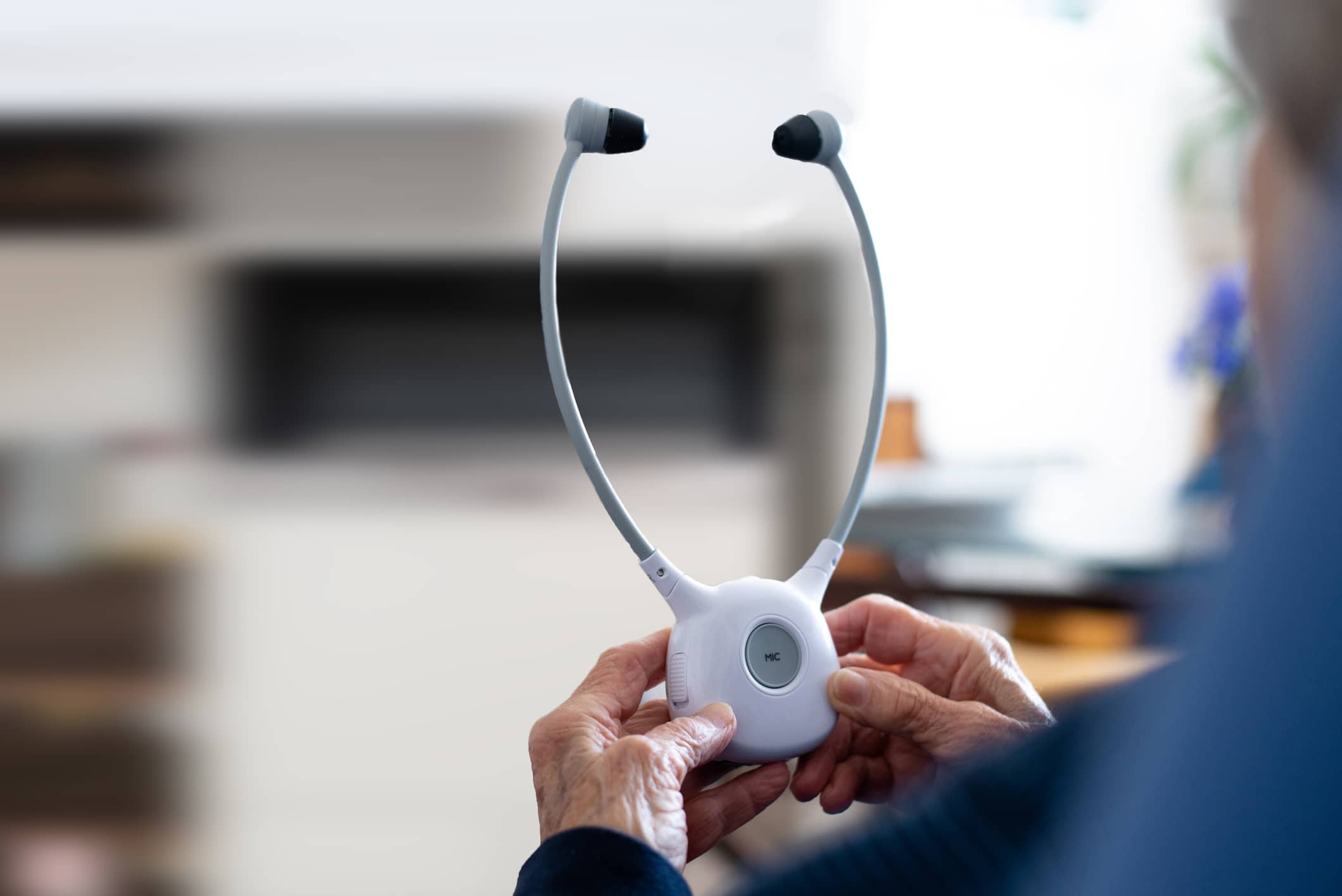
In addition to monitoring compliance with these obligations, Arcom ensures the quality of the ccessibility schemes on offer (subtitling, sign language performers, audio description), and invites editors' commitment to charters of good practice.
While theaccessibility of public infrastructures (transport, housing, etc.) is a major challenge in making the Paris Games a major popular event, the accessibility of the audio and video content devoted to this event will help bring the whole of society together around it. To this end, Arcom has asked audiovisual media editors what commitments they are likely to make in terms of program accessibility, over and above their legal obligations, in the run-up to the Games.
The France Télévisions group has announced that "content accessibility will be guaranteed and strengthened during the Games" with "100% subtitling" and "a major innovation: live oralization of the Games, from the opening ceremony onwards, for around 7 hours of live coverage per event day". This "audiodescription of sport" will complement the commentary provided by sports journalists, making the events accessible to blind and partially-sighted people.
The France Médias Monde group has indicated that "France 24 will offer three subtitled news bulletins each day (each rebroadcast once). These will make editorial coverage of the Olympic and Paralympic gaming accessible to all deaf and hard-of-hearing people.[...] Discussions are also underway to offer subtitled all-image digital content specifically dedicated to the Olympic and Paralympic Games".
The TF1 group, although it does not hold the rights to diffuse the competition, stressed that "all the matches of the French soccer team held in France [and shown on its channels] are offered in audiodescription, and have been for several years".
Article 20-1 of the law of September 30, 1986: "The use of French is compulsory in all programs and advertising messages of audiovisual communication organizations and services, whatever their broadcasting or distribution method".
Point 23 of the Olympic Charter states that: "The official languages of the IOC are French and English. At all Sessions, simultaneous interpretation must be provided in French and English. Interpretation in other languages may be provided during a Session.In the event of any discrepancy between the French and English texts of the Olympic Charter and any other IOC document, the French text shall prevail unless expressly provided otherwise in writing".
The special place occupied by the French language in the Olympic movement, the organization in France of the 2024 Games, and the concomitant anniversary of the Toubon law of August 4, 1994 on the use of the French language, provide a unique opportunity to promote French in the audiovisual media. This is even more true for France Télévisions, whose mission statement (article 39) makes provision for the company to "aim to be a benchmark in the use of the French language, [it] contributes to its promotion and illustration within the framework of the notices issued by the French regulatory authority for audiovisual and digital communication".
In this respect, Arcom recalls several recommendations made by the Commission for the Enrichment of the French Language concerning the lexical field of sport, as recorded in the FranceTerme database.

Foreign equivalent :
Starting block
Foreign equivalents :
Coach, trainer
Foreign equivalent :
Skate-board
Foreign equivalent :
Tie-break
Foreign equivalent :
Buzzer
Foreign equivalent :
Supporter
On this point, audiovisual media editors have announced the following commitments:
The France Télévisions group "will ensure the use of the French language on its airwaves, particularly in the management of sports events and programs.The sports department will pass on to editorial teams the notices issued by Arcom and the Commission d'enrichissement de la langue française to avoid the use of anglicisms".
France Médias Monde emphasized that "as a media group mobilized to promote the French language in a multilingual world, France Médias Monde is also capitalizing on the showcase provided by Paris 2024 to offer new, innovative content to support the learning of French. This is particularly the case with its supply Le français facile avec RFI".

11 February 2022
Since 2005, the French regulatory authority for audiovisual and digital communication, Arcom, has been raising awareness among publishers about program accessibility for people with disabilities.

06 March 2023
To mark International Women's Rights Day, Arcom has published two studies, one on the representation of women in the audiovisual media and the other on the representation of women in television advertising.
28 September 2023
The "Let's Play Together" operation, from October 2 to 8, 2023, encourages audiovisual media, TV and radio, to include more sports broadcasts, subjects, programs and interviews dedicated to parasport and players in the world of disability.